





MODULE 3
Deep dive into alternative investing strategies
Explore the world of alternative investment strategies with comprehensive insights into private equity, private credit, real assets, and liquid alternatives.
Explore the evolving world of alternative investing with clear, practical insights into the risks and benefits of investing in private equity, private credit, real assets, and liquid alternatives—and how each can play a role alongside traditional investments.
Get answers to key questions, including:
- How the most common strategies work when investing in private equity and private credit
- What the potential benefits, risks, and liquidity considerations are for each strategy?
- How alternative strategies may compare to public assets?
- Which clients may benefit—and how to introduce the strategies to them?
Ready to get started?
Access the course today.
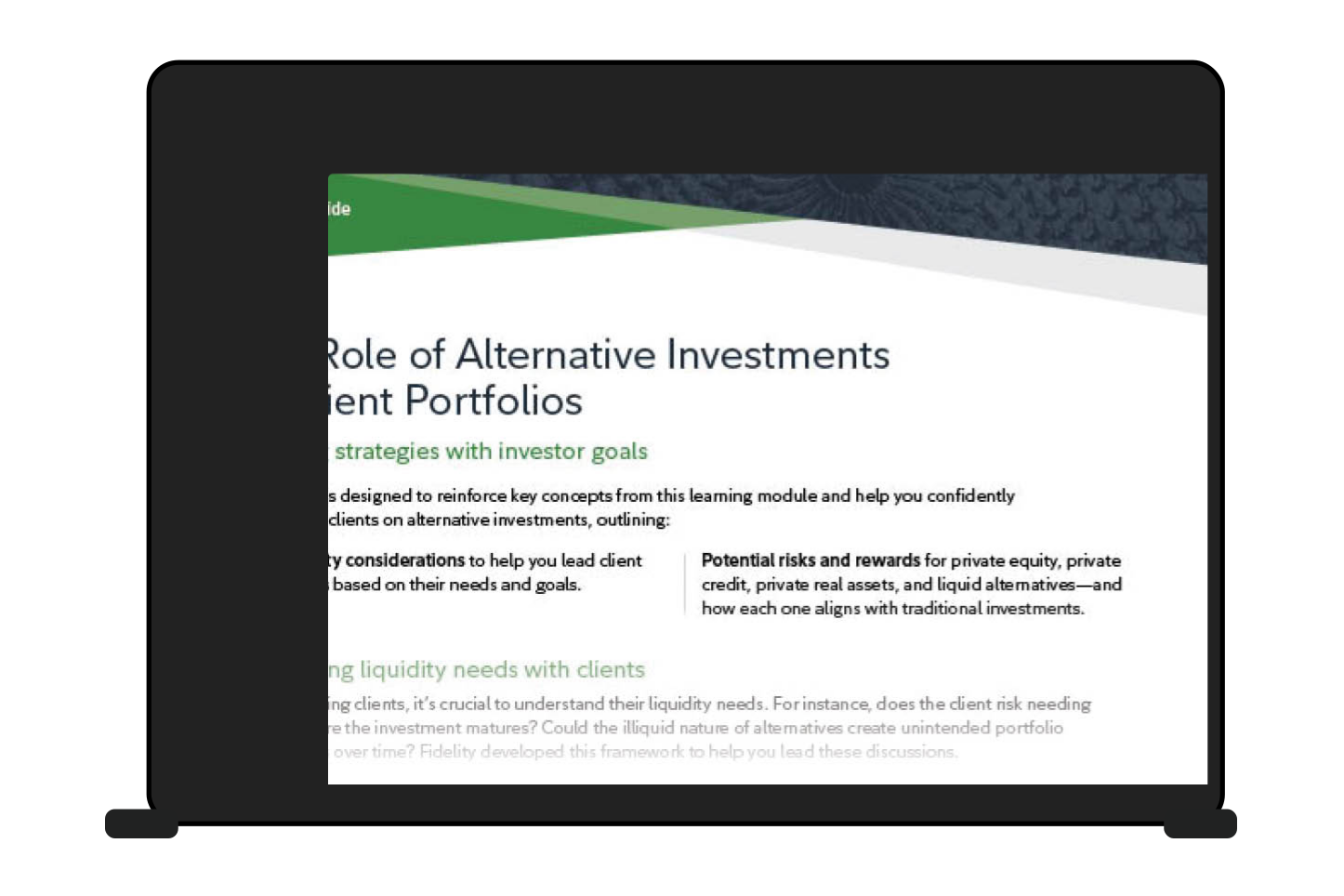
Download our module 3 learning guide
Get a quick summary of the key themes from module 3 in our advisor learning guide. You'll find:
- A useful chart comparing the returns and risks of each strategy
- Helpful questions to ask clients to start an alternative investing conversation
- Charts to help understand the logistics of each sub asset class

Explore related insights from our library
View all


Market selection matters
The underestimated impact of market selection in commercial real estate.

Don’t call it a comeback: Improving portfolio durability with liquid alternative strategies
Alternative investment styles, such as equity market neutral and managed futures, have grown significantly in daily liquid wrappers as investors recognize their ability to enhance portfolio diversification while providing ease of implementation.

A new podcast from Fidelity offering fresh perspectives on alternative assets for more informed portfolio decisions.
Alternative investments are investment products other than the traditional investments of stocks, bond, mutual funds, or ETFs. Examples of alternative investments are limited partnerships, limited liability companies. hedge funds, private equity, private debt, commodities, real estate, and promissory notes. Some of the risks associated with alternative investments are: Alternative investments maybe relatively illiquid. It may be difficult to determine the current market value of the asset. There may be limited historical risk and return data. A high degree of investment analysis maybe required before buying. Costs of purchase and sale may be relatively high.